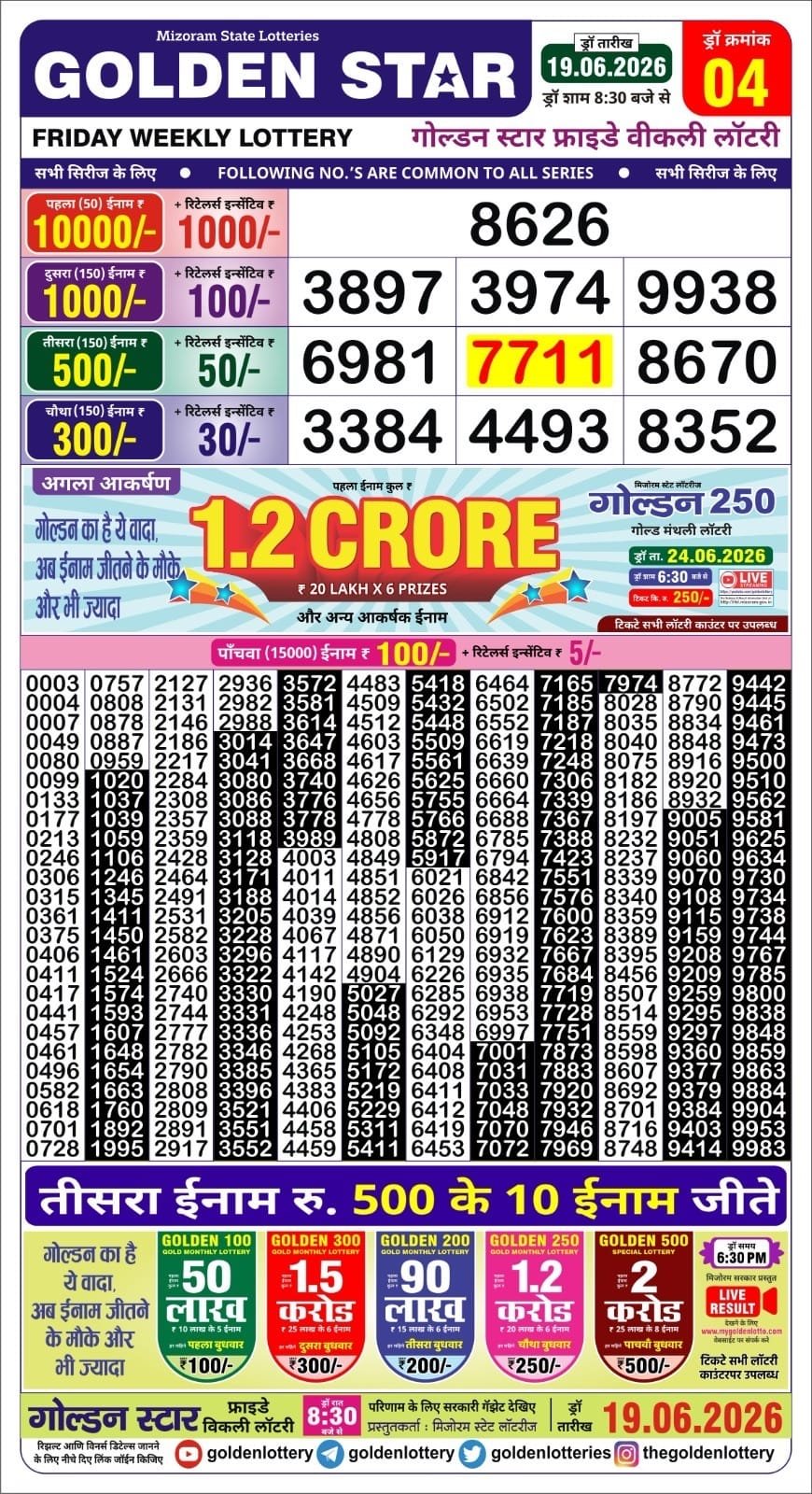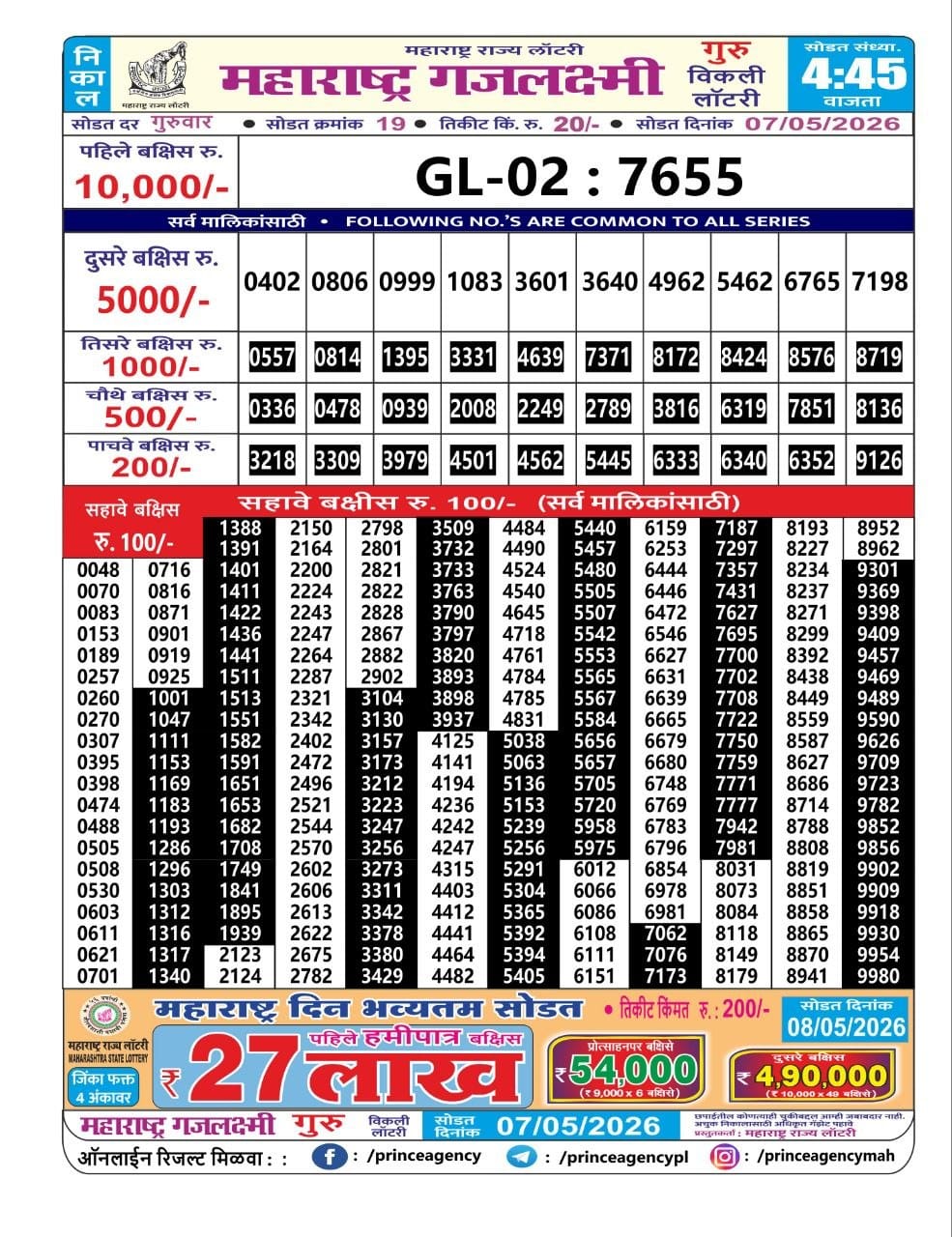
If you find it challenging to understand a Teer chart, know that you are not alone. Newcomers have multiple issues with the Teer result chart at first because of the various rounds, numbers, dates, and previous results. The good news is that learning the basics of reading the Teer result chart is a quick and easy process.
Teer is a game of skill and luck traditionally played in Meghalaya, a state in the Northeastern part of India. Curious players can check the Teer result chart online and see the first and second round results officially posted on a given day. There are numerous ways to benefit from understanding how the results are presented, including learning the importance of dates, avoiding mistakes, and finding the right results on time.
This beginner’s guide will walk you through a step-by-step process, explain the most common questions, and offer essential tips for checking the latest result. In addition, the article will list the most frequently asked questions about the Teer result chart and provide precise answers.
How to Understand the Daily Teer Chart of Numbers
A Teer result chart is a grid or table with the results of a specific round on a given day. Depending on the website, the Teer result chart may include the date, first-round result, second-round result, and previous results.
The table is helpful because it brings all the data together in a well-organized manner. Instead of looking through dozens of web pages, one can scroll down and see the latest results or dates to find the required information. The Teer result chart can be organized in a different way on different websites, depending on the publisher’s preferences. With that said, each result should be grouped according to the date, and the two rounds should have separate columns for easy reading.
A Teer chart typically contains the following pieces of information:
- Date: The date when the result was officially announced.
- FR (First Round): The result of the first round.
- SR (Second Round): The result of the second round.
- Previous Result: The results from the previous days.
- Result Status: The column indicating whether the result is confirmed or pending (the website provides this information).
Depending on a website, the Teer result chart can show the latest results, those of the previous days or weeks. The most critical element in any Teer result chart is the date. Without the precise date, it will be impossible to determine if the result is relevant to the current day or a previous one.
Step-by-Step Guide to Reading the Teer Chart
A beginner may find it challenging to read a Teer chart at first because of the dates, rounds, results, and statuses. However, there are a few simple steps that will help anyone understand the chart within minutes.
Step 1: Make Sure of the Date
The first step is to check the date. On some websites, results are listed in a grid or table, with dates in separate columns. Otherwise, the date may be located above or below the result. It is crucial to make sure of the date because some sites list the latest result, including the first and second-round entries, and the user may confuse Monday’s result with Tuesday’s.
Sometimes, dates can be adjacent to each other on the website, making it unclear which result applies to which day.
While some people may take the listed result as the latest one, it is essential to understand that the date is not included for a reason. The result should be double-checked against the current day to avoid mistakes.
Step 2: Learn What FR and SR Stand For in the Chart
One of the first questions that arise when looking at a Teer chart is about the meaning of FR and SR. When it comes to the result chart, FR stands for First Round, and SR stands for Second Round. In other words, the results for the first and second rounds of a specific day are listed separately on the website.
On some websites, the Teer result chart may have separate columns for the FR and SR results.
| Date | FR Result | SR Result |
| 20 October | 42 | 67 |
| 21 October | 18 | 53 |
| 22 October | 76 | 24 |
Note: The numbers in this table are for demonstration purposes only.
In the table above, the FR result for 21 October is 18, and the SR result is 53. Both of these results are separate, meaning that the player should treat them as independent pieces of information.
When reading the chart, be aware of the separate columns for the FR and SR results to make it clear that the numbers represent separate rounds. As a beginner, it is easy to make a mistake and combine the results, thinking that the same number applies to both rounds.
Step 3: See if the Latest Result Has Been Posted
It is not uncommon for someone looking for the latest result to be disappointed to learn that the number has not been published yet.
For some websites, it may take a few hours for the result to be announced. Other sites specify the date and time of the next round, giving a more precise idea of when the number will be posted.
In that case, the best option is to refresh the page a bit later or return to it on the day of the next round. Before leaving the page, double-check if there are any entries on it. If the date, time, or round is missing, it is impossible to say with certainty that the result is not available yet. However, it is also unwise to leave a wrong result on the page as a valid one. If the number has not been posted yet, it is better to state so.
Step 4: Compare the Chart Entry Against an Independent Source
The best way to avoid confusion or mistakes is to compare the result from one website against another. At the same time, it is completely normal for a beginner to use a smartphone to view the website with the date, round, and result. The purpose is to be certain that the information is accurate and not outdated, incorrect, or incomplete in any way.
It is normal to compare different sources because it is nearly impossible to be confident in a result without verification. Two separate websites cannot have the same numbers because it would mean that they copied the result from one source to another. In any case, it is better to double-check the numbers, time, and date than to assume that the result is valid when it is not.
Some websites publish the latest result on their front page. If the reader arrives at a page that does not have the result, it may be necessary to navigate to another page altogether. The front page of a website with a date, round, and published result is typically the most trustworthy source of information.
Step 5: Check the Previous Results
Some sites provide a Teer chart with the latest results, and others go further back. The purpose of a chart with multiple results is to allow the user to scroll up or down and see the results of the previous days with minimal effort.
For example, a weekly result shows the dates for Monday through Sunday in a single table. It is possible to scroll up and see the previous week’s results. To read the chart, the user does not have to open seven separate pages and search for the date. A simple glance at the beginning of the table will show what date the results apply to.
When it comes to reading the previous results, here are a few things to keep in mind:
- Each row of the table represents one day;
- FR and SR stand for separate rounds;
- Previous results are historical data only;
- The historical results do not predict or guarantee future results.
With that said, it is always a good idea to double-check the dates and verify that the results apply to the correct day. If there is a separate row for each day, it should be easy to see which numbers belong to which date. Again, FR and SR results are separate for each day and should never be combined.
Interpreting the Numbers From a Teer Result Chart
At this point, the reader knows what the Teer result chart looks like and is familiar with the main elements of the table. Some websites list the results in two digits, while others use a different notation, including a leading zero.
For example, the number 7 in one chart may be represented by 07 in another. This design choice does not change the value of any number, it should not mislead the user. The same goes for identifying the numbers in the table. The user should be aware of the row and column to find the right result.
If the website does not appear to follow a conventional format, there should be a guide or legend that explains what the numbers mean. In any case, it is necessary to look at the result table carefully and make sure there is enough information to identify the date and round. At the end of the day, reading the Teer chart should not be more difficult than needed. A beginner simply needs to know how to find the right numbers and use common sense.
How to Check the Shillong Teer Result Chart Online
Shillong Teer is one of the most popular results, along with other Teer result variations. By definition, it refers to the game played in Shillong, a city in the state of Meghalaya. However, searching online for the Shillong Teer result chart may present multiple websites with different options.
At the very least, the user should know what to look for in this search. In practice, a beginner does not have to type in the entire phrase.
“Shillong Teer result chart today” and “Shillong Teer previous result chart.” are good options for finding the latest result. To check the daily result, the user can follow these instructions:
- Type a search query that specifies the result of interest.
- Open the page that states the location and date of the result.
- Read the first round and second round results separately.
- Compare the numbers against the independent source, if available.
- Refresh the page, if one or both results are still pending.
- Double-check the page to make sure there is no misleading or false information.
In short, anyone searching for the Shillong Teer result chart online should know that the result is not available on every website. Moreover, the search phrase should be specific enough to avoid irrelevant entries.
There is no doubt that some websites will use terms such as confirmed or guaranteed, including a promise of accuracy and precision. However, a strong headline does not always reflect the quality and validity of the result. The best practice is to look for the date, verify that the round is complete, and check the result against an independent source.
Common Errors When Interpreting the Teer Result Chart
A Teer chart is a useful and informative tool, but it does have potential issues and problems. At this point, the beginner already knows how to avoid some of the common mistakes when reading or using the result chart. For example, a simple table with the date, first round, second round, and previous results can be misleading in the wrong hands. The user should always keep in mind that FR and SR are separate results, so the numbers must be treated as independent pieces of information.
Moreover, the user should double-check that the date corresponds to the current day and not one of the previous days. In some cases, the website may keep the previous results on the same page. If the title suggests that the result applies to Monday, but the date states that it is Tuesday, the user should be aware of the possibility of an error.
Another common mistake is to assume that a missing entry means that the value equals zero. In reality, the entry may be blank, indicating that the result has not been published yet, or the website does not have the result. The user needs to verify that the information is accurate and up-to-date before using it in any capacity.
Can You Predict Future Results by Looking at the Teer Chart?
One of the most common questions about the Teer results is whether it is possible to use the previous results to predict the next set of numbers. Strictly speaking, it is possible to make assumptions about the future, but they are unlikely to be valid or reflect the truth. That is the case with just about any game of chance, including the lottery. By definition, there is no way to know what will happen in the future, including the numbers that will appear in the next round of the game.
For example, it would seem logical to assume that, if a specific number appeared twice in a row, it had a higher chance of showing up again. By the same token, if a number did not appear at all, it would be a safe assumption to put it in the next round. In reality, however, neither of these suggestions is valid.
Without a system that can guarantee future results, any kind of pattern analysis should be treated as entertainment. At the very least, the user should keep in mind that the previous results are historical data. The numbers reflect what happened, not what will happen. In that sense, it actually is helpful to look at the previous results and understand how they can be used to gain knowledge and insight into the sport.
The Truth About Checking the Teer Results
At this point, the beginner already knows the most important facts about the result chart. In short, the user should double-check the date, make sure the entry applies to the correct round, and compare the numbers against an independent source.
It is also useful to avoid common mistakes when using the chart. For the most part, anyone who wants to know the latest result can bookmark a website that provides it and learn the format. The same goes for checking the previous results and making sure not to confuse the date or mix up the first and second rounds. Above all, it is critical to understand that the result chart merely provides past results and does not predict future numbers.
However, the chart is still a valuable tool that helps the user stay informed about the latest results or look up a specific number. The user should always remember that the chart is only as good as the resources that support it. At the very least, it is impossible to ignore an independent source of information in favor of one that is not available, outdated, or irrelevant.
In any case, it is necessary to use the correct approach when checking the result chart, including daily updates and following the local schedule. If someone checks the chart every day, they should see how the numbers change from one day to the next. At the same time, the user should always treat the result as historical data. After all, that is the only function that it serves.
Teer Chart FAQs: Frequently Asked Questions
1. How Do I Read a Teer Result Chart Today?
To read today’s Teer result chart, double-check the date and make sure that the result applies to the current day. Then, identify the FR and SR numbers and verify if the numbers have been confirmed or are still pending.
2. What Does FR Mean in a Teer Result Chart?
In the context of the result chart, the abbreviation FR stands for First Round.
3. What Does SR Mean in the Teer Result?
In the context of the result chart, the abbreviation SR stands for Second Round.
4. Where Can I Check the Latest Shillong Teer Result?
You can search for the latest Shillong Teer result online and find a website that provides the information on the current day. Make sure that the website is not using outdated results or incorrect data.
5. Why Is My Teer Result Chart Not Updated?
Your result chart is probably not updated because the number has not been officially announced yet or the website does not have it.
6. How Can I Check Previous Teer Results?
Double-check the day, match the FR and SR entries to the correct date, and look for a historical table of results. The user can scroll down and see if the previous results are listed in the same chart.
7. Are FR and SR Results the Same?
No, because FR and SR identify two separate rounds, the results are different.
8. Can Previous Teer Results Predict Tomorrow’s Number?
No, because previous results are not a guarantee of future results.
9. Why Do Some Teer Websites Show Different Results?
Websites may show different results because of the date, time, round, accuracy, and other parameters. Always verify the data before using it.
10. What Is the Easiest Way for a Beginner to Read a Teer Chart?
A beginner should learn three things: the date, the meaning of SR and FR, and the location of the numbers. With that said, each resource will have its own specific qualities, so it is always a good idea to learn the basics first.